Choosing between Arcadia and Paradise Valley is not just about price or square footage. It is about how you want your day-to-day life to feel, from lot size and housing style to privacy, convenience, and even how often you expect to get in the car. If you are weighing both areas for your next move, this guide will help you compare the lifestyle tradeoffs with more clarity so you can focus on the address that fits you best. Let’s dive in.
Arcadia vs. Paradise Valley at a glance
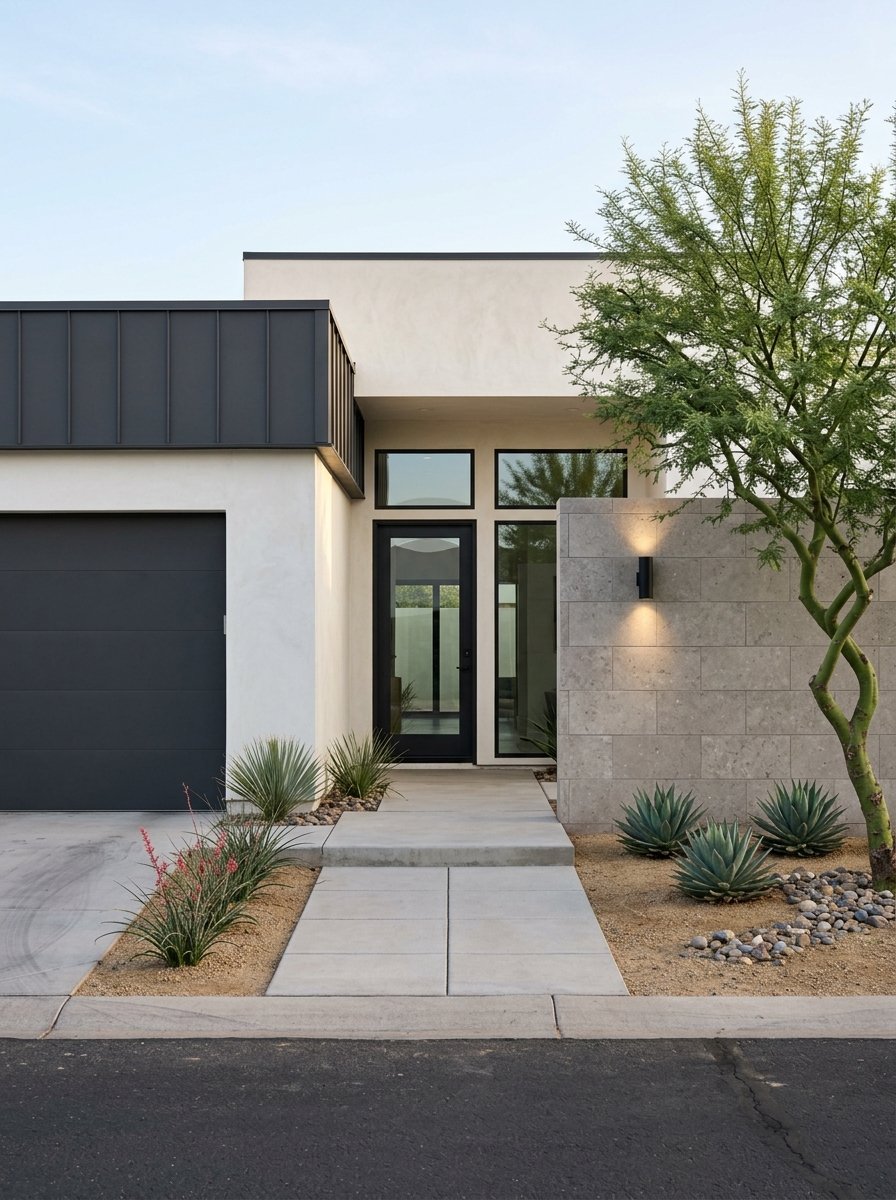
Arcadia and Paradise Valley are often grouped together in luxury home searches, but they offer meaningfully different living experiences. In broad terms, Arcadia tends to offer a more close-in neighborhood feel with a wider mix of home styles, while Paradise Valley leans more private, estate-oriented, and low density.
That contrast is rooted in each area’s history and planning framework. According to the City of Phoenix historic survey of Arcadia, Arcadia began as a rural estate subdivision with roughly five- to ten-acre lots, later replatted in ways that still preserved a large-lot feel. In Paradise Valley’s 2022 General Plan, the town describes itself as predominantly low- and very low-density residential, with a minimum of one acre per residence in its primary residential areas.
Lot size and privacy
If land and separation from neighbors sit high on your list, Paradise Valley usually stands out first. The town’s planning framework is built around one-acre minimum residential lots in key areas, along with preserving lots larger than one acre where possible.
Arcadia can still offer generous lot sizes, especially compared with many central Phoenix neighborhoods. But in practical terms, Arcadia often feels like large-lot central Phoenix living, while Paradise Valley feels more consistently estate-scale. If you are deciding between the two, this is one of the clearest lifestyle differences to consider.
What that means for daily living
A larger lot can shape everything from your outdoor setup to your sense of privacy. In Paradise Valley, buyers are often drawn to the extra separation, larger setbacks, and the more secluded feel that comes with low-density planning.
In Arcadia, you may give up some of that estate scale in exchange for a more connected neighborhood pattern. For many buyers, that trade can feel worthwhile if being closer to daily amenities matters more than having maximum land.
Home styles and neighborhood character
Arcadia tends to offer more architectural variety and more visible neighborhood texture. The Phoenix Arcadia survey documents Spanish Colonial Revival, Pueblo Revival, and Monterey Revival homes, and ties the area to its citrus-grove and rural estate roots.
That history helps explain why Arcadia appeals to buyers who like character, renovation opportunities, and a mix of old and new. The housing stock can range from early Ranch-style homes to substantially updated properties and newer large residences, giving you more stylistic range as you search.
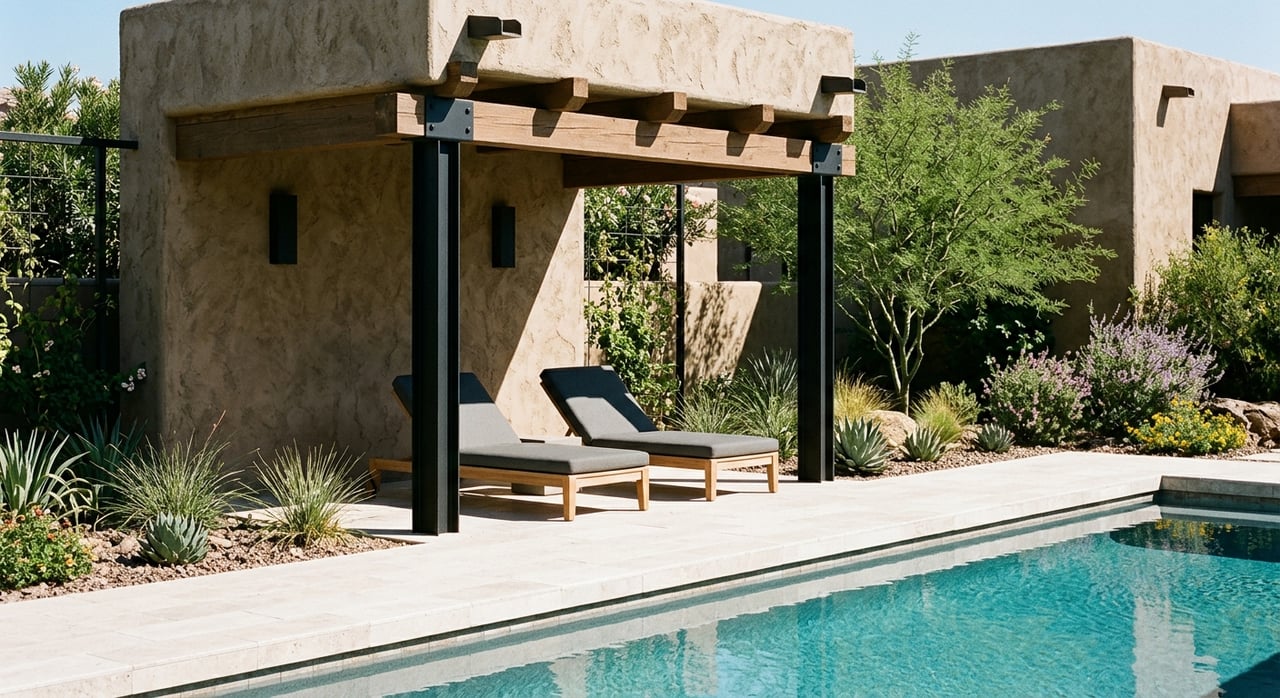
Paradise Valley presents differently. Its identity is shaped less by one historic architectural style and more by scale, privacy, setbacks, buffering, and the relationship between homes and their desert setting, as described in the town’s General Plan.
Which style fits your goals?
If you are drawn to a neighborhood with evolving architecture and a layered sense of history, Arcadia may feel more compelling. If you prefer a more uniform custom-estate environment where homes often emphasize setting, privacy, and presence, Paradise Valley may be the better fit.
Neither choice is inherently better. It depends on whether you value variety and neighborhood texture or consistency and estate-scale design.
Convenience and walkability
Lifestyle is often where the gap between these areas becomes easiest to picture. Arcadia has some pockets with better access to nearby amenities, though walkability is highly specific to the block and exact address.
For example, one Arcadia location on Camelback Road scored 57 on Walk Score, which is labeled “Somewhat Walkable,” while an interior Arcadia location scored 30, which is “Car-Dependent.” That tells you Arcadia can offer a more convenient pocket, but you should not assume the same experience across the entire area.
Paradise Valley is more consistently drive-oriented. A Paradise Valley Walk Score of 10 reflects a car-dependent setting where most errands require a vehicle.
Arcadia for close-in access
If you want better odds of living near restaurants, services, or everyday stops, Arcadia may offer more options. That can matter if you value shorter drives and a more connected feel in your daily routine.
Paradise Valley for quiet and separation
Paradise Valley’s appeal often comes from the opposite. The town describes itself as a premier, low-density, largely residential community, and its history emphasizes preserving a quiet, country-like setting. If peace, privacy, and a more tucked-away environment matter most, that pattern may feel like a strong advantage.
Schools and enrollment planning
For many buyers, school access is part of the home search, even if it is not the only factor. In Arcadia, the Scottsdale Unified School District’s Arcadia Learning Community includes Arcadia High School, Echo Canyon K-8, Hopi Elementary, Ingleside Middle School, and Tavan Elementary.
Arcadia High notes academic offerings such as AP, dual enrollment, AVID, CTE, and Seal of Biliteracy. Scottsdale Unified also notes open enrollment options, which can expand how some families think about school access.
Paradise Valley’s official schools page points residents to nearby Scottsdale Unified schools including Cherokee Elementary, Cocopah Middle, Chaparral High, Mohave Middle, and Saguaro High, while also listing private options such as Phoenix Country Day School and Montessori Academy.
Verify the specific parcel
If schools are a key part of your move, the most important step is to verify the specific property. Attendance and enrollment options can vary by address, and parcel-level confirmation matters more than broad neighborhood assumptions.
For Arcadia buyers especially, address-specific enrollment details can be important, and Arcadia High’s enrollment information is a useful starting point. A careful review before closing can help you avoid surprises.
Property taxes and ownership details
One of the most common mistakes buyers make is assuming there is a single tax rate for a neighborhood. Arizona property tax does not work that way.
According to the Arizona Department of Revenue property tax FAQ, your tax bill is based on assessed value multiplied by the overall tax rate, and that rate is determined by the taxing jurisdictions tied to the parcel. That can include the city or town, county, school districts, and special districts.
Compare the home, not just the area
That means there is no universal Arcadia tax rate and no universal Paradise Valley tax rate. The right comparison is always the specific property, because the district mix and related levies can vary from one parcel to the next.
If you are comparing homes in both areas, a side-by-side review of the actual parcel details will give you a much more accurate picture than neighborhood averages.
A key Paradise Valley rental consideration
If you may use the home as an investment property or rental, Paradise Valley has an added layer to review. The town requires short-term rental registration and permitting, and it states that owners must obtain a transaction privilege tax license.
The town also notes that it levies privilege tax on gross receipts from rental residential properties, while long-term rentals over 30 days are treated differently as of January 1, 2025. If rental flexibility matters to you, this is worth reviewing early in the process.
Which area fits your lifestyle?
If you are choosing between Arcadia and Paradise Valley, the better question may be less about which area is more desirable and more about which one supports the way you want to live. Arcadia often suits buyers who want a central Phoenix location, some potentially walkable pockets, and a wider mix of homes with neighborhood character.
Paradise Valley often fits buyers who want privacy, land, mountain-view potential, and a more secluded estate-scale setting shaped by low-density planning. In simple terms, Arcadia tends to trade some privacy and acreage for convenience and texture, while Paradise Valley tends to trade some convenience for separation and space.
A smart move starts with matching your priorities to the right environment. If you want trusted guidance comparing specific homes, blocks, and parcel-level details in both areas, The Avenue Collective can help you make that decision with clarity and confidence.
FAQs
Is Arcadia or Paradise Valley better for larger lots?
- Paradise Valley is generally the stronger fit for larger lots because its primary residential areas require a minimum of one acre per residence, while Arcadia offers generous lots but is typically less uniform in estate-scale sizing.
Is Arcadia or Paradise Valley more walkable for daily errands?
- Arcadia usually offers better odds of a walkable pocket, though walkability varies by address, while Paradise Valley is more consistently car-dependent.
Do Arcadia and Paradise Valley have the same property tax rate?
- No. Arizona property taxes depend on the specific parcel’s assessed value and the taxing jurisdictions attached to it, so you need to compare each home individually.
What schools serve homes in Arcadia and Paradise Valley?
- Arcadia is tied to Scottsdale Unified’s Arcadia Learning Community, while Paradise Valley’s official schools page lists nearby Scottsdale Unified schools and some private options, but you should verify the exact property before closing.
Is Paradise Valley a good fit if you may rent out the property?
- It can be, but you should review the town’s rental rules carefully because short-term rental registration, permitting, and tax requirements may apply.