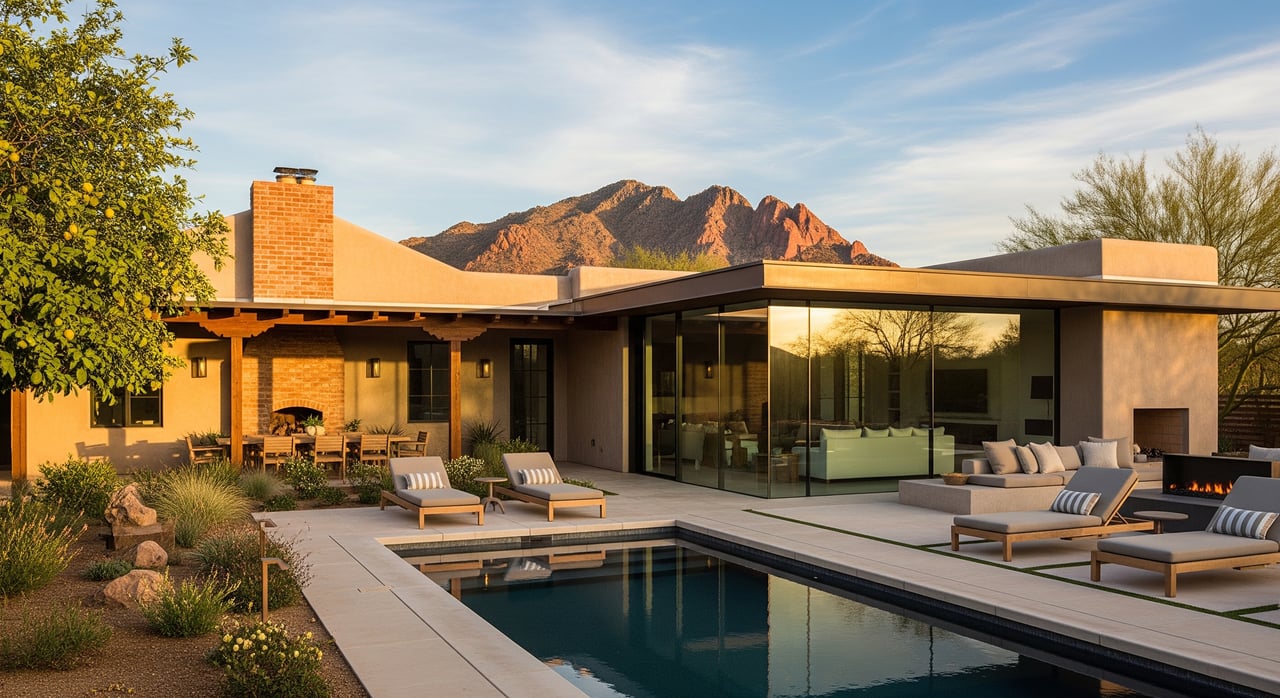
Craving a neighborhood with classic Phoenix character and everyday convenience? Arcadia gives you both. You get tree‑lined streets, mid‑century ranch homes, and larger lots, along with quick access to Camelback Mountain, Old Town Scottsdale, and the Biltmore area. In this guide, you will learn what it feels like to live in Arcadia, the types of homes you will find, price context, daily amenities, and practical tips for buying with confidence. Let’s dive in.
Where Arcadia sits
Arcadia sits on the east side of central Phoenix, near the Scottsdale border and just west of Camelback Mountain. It is an informal neighborhood without a single official boundary, so you will see slightly different edges in listings and local maps. Many people use Camelback Road and Indian School Road as reference points, with the Phoenix–Scottsdale line to the east.
You will hear Arcadia described as a bridge between central Phoenix and Scottsdale. That is a fair way to think about it. You live near top dining and shopping, yet still feel tucked into a neighborhood with mature trees and a distinctive identity.
Lifestyle snapshot
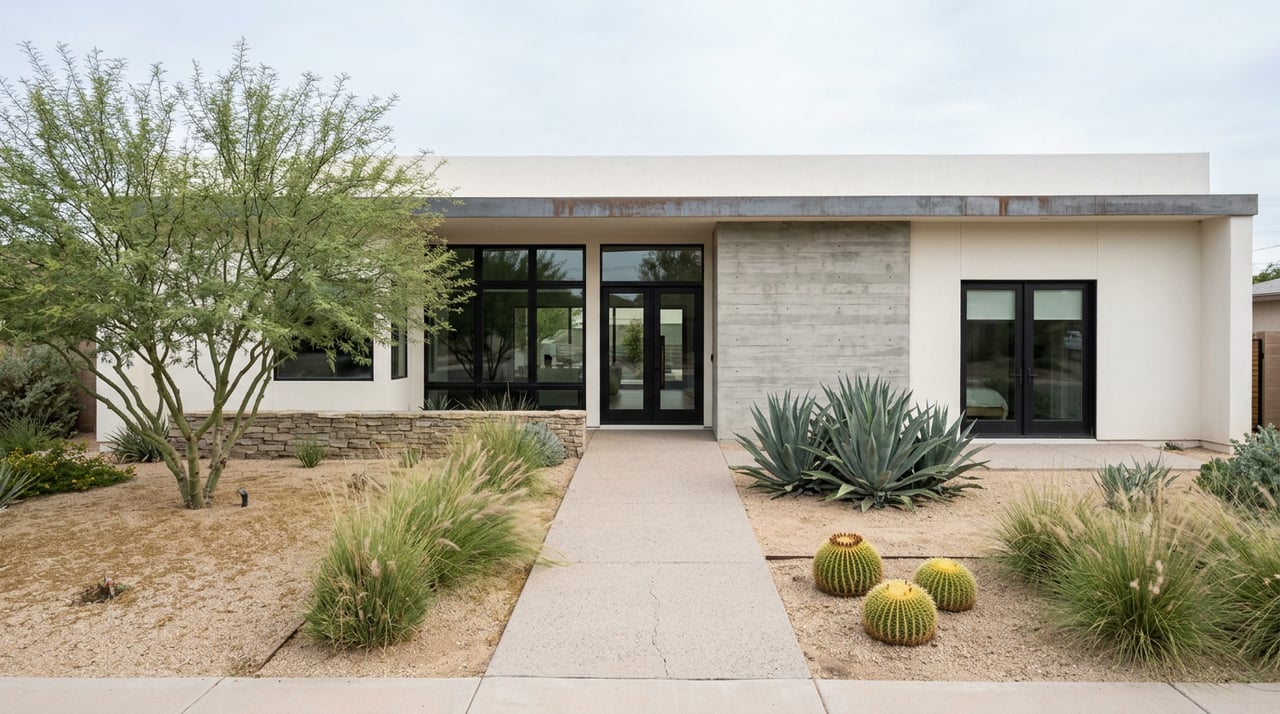
Arcadia blends historic charm with modern ease. Original mid‑century ranch and bungalow homes sit beside renovated ranches and contemporary new builds. Streets feel leafy and established, thanks to mature palms and citrus trees.
Lot sizes tend to be larger than you find in many Phoenix neighborhoods. That gives you space for private yards, pools, and outdoor living. You will also see some horse‑shoe‑style lot layouts that hint at the area’s earlier era.
For daily life, you are close to hiking, biking, and popular dining corridors. Many residents value the ability to reach Camelback Mountain, the Arizona Canal paths, and nearby retail districts in a few minutes by car or bike.
Homes and architecture
Predominant styles
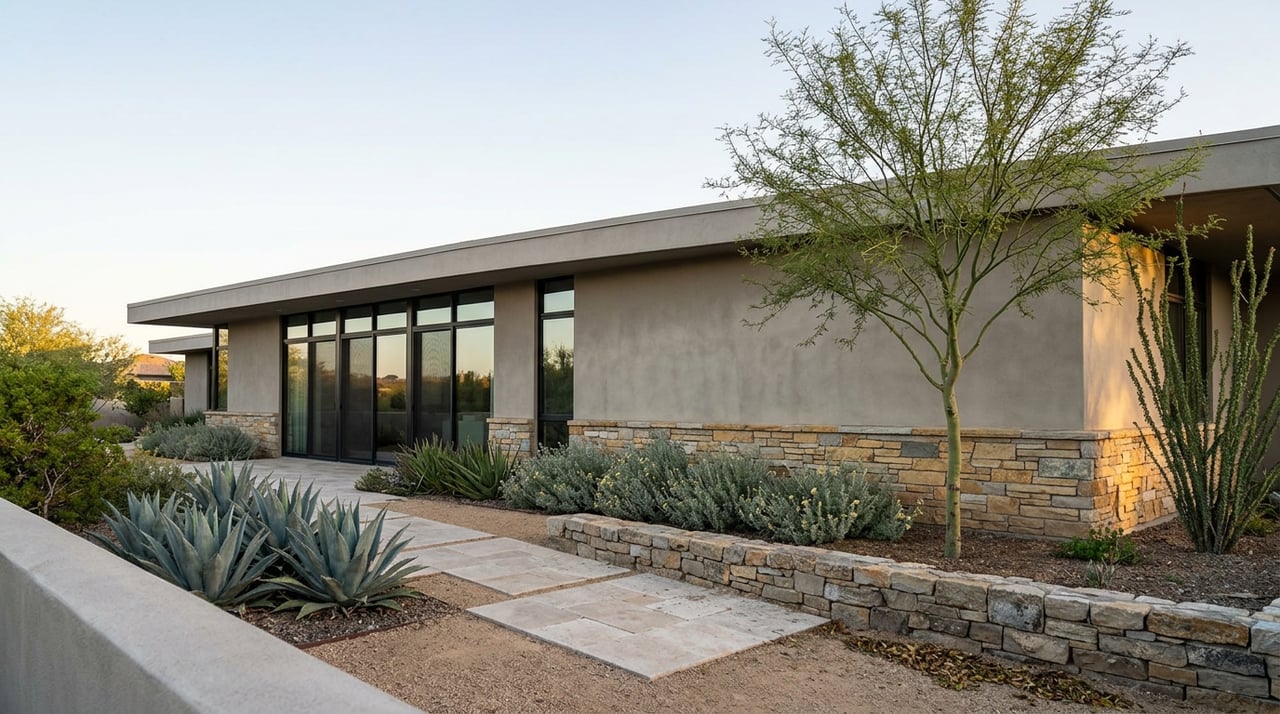
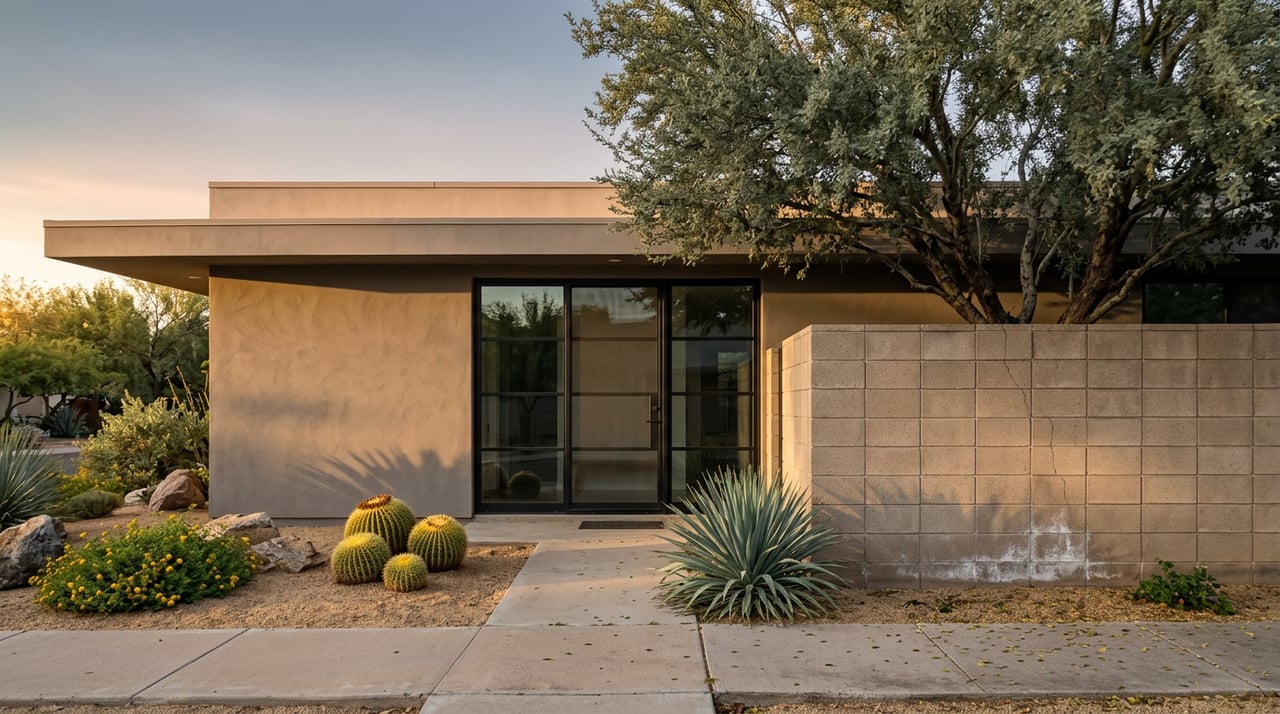
You will find a mix of mid‑century ranch homes, Spanish‑influenced bungalows, and pockets of mid‑century modern. Over the last several years, buyers and builders have renovated original homes or replaced them with larger contemporary estates. The result is a varied streetscape where preserved ranches sit next to luxury infill properties.
Lots and outdoor living
Lots are generally larger than the Phoenix average. Many properties include private backyards, pools, and patios designed for year‑round outdoor use. If you value space to entertain or garden, Arcadia’s lot character is a major draw.
Renovation and rebuild activity
Redevelopment is an ongoing theme in Arcadia. Teardowns and upscale additions are common, which has elevated the area’s design profile and created a range of price points. On some blocks, you may notice active construction or recent new builds. This can benefit long‑term value while adding short‑term noise or traffic during build cycles.
What homes cost
Arcadia typically commands a price premium within the Phoenix metro because of location, lot size, and lifestyle amenities. Single‑family homes often sell from the high six‑figures into the multi‑million‑dollar range, depending on lot size, condition, and views. Condos and townhomes exist but are less common inside Arcadia proper and are generally priced lower.
Prices shift with market cycles, so it is important to review current sales and inventory before making decisions. Many buyers focus on lots with Camelback views, renovated interiors, or new construction that meets today’s layout and energy standards. Those features can place a home at the upper end of the range.
Daily life and amenities
Outdoor recreation
Camelback Mountain is a defining asset. The Echo Canyon and Cholla trailheads are very close, putting signature desert hiking within easy reach. The Arizona Canal and nearby multi‑use paths support biking, jogging, and casual strolls, and you can drive to Papago Park or the Phoenix Mountain Preserve for more open space.
Dining, retail, and nightlife
You are minutes from high‑quality neighborhood dining along Camelback and Indian School corridors, plus nearby Scottsdale and the Biltmore area. Old Town Scottsdale offers restaurants, galleries, and nightlife, while the Biltmore district adds shopping and upscale dining. Local concepts change frequently, which keeps the scene fresh.
Schools and family resources
School assignments depend on the exact address, so confirm with district boundary maps before you buy. Families often review GreatSchools ratings and Arizona Department of Education data when comparing options. Private and charter schools are within a reasonable drive, and you will find parks, playgrounds, and sports facilities nearby.
Getting around
In typical uncongested traffic, you can reach Sky Harbor International Airport, downtown Phoenix, or Old Town Scottsdale in about 10 to 20 minutes. Valley Metro buses serve major roads around Arcadia, while light rail access usually requires a short drive or bus connection. Many streets are bike and pedestrian friendly, but summer heat calls for smart timing and hydration.
Practical buyer considerations
Buying in Arcadia often means choosing between the character of an older home and the convenience of a newer build. Each path can work well as long as you plan for the details.
- Older systems and inspections: Many original homes are decades old. Budget for inspections that evaluate HVAC, roofing, plumbing, and electrical. Some lenders may require repairs or updates on older systems.
- HOAs and design covenants: Many properties are on individual lots without an HOA. Newer infill or specific subdivisions may include HOAs with dues and design rules. Always verify HOA status and documents during due diligence.
- Zoning and permits: Arcadia is primarily single‑family residential within the City of Phoenix. Zoning, setbacks, and any overlay rules vary by parcel. If you plan additions or a new build, confirm requirements with Phoenix planning and building departments before you write offers.
- ADUs and additions: Rules for accessory dwelling units have become more permissive compared to older codes, but details on setbacks, parking, and utilities vary. Check current allowances to avoid surprises.
- Utilities and landscape water: Expect municipal water and sewer in most areas, along with electricity and natural gas. In a desert climate, irrigation and pool care are meaningful recurring costs. Factor landscape water use into your monthly budget.
- Cooling and solar: Hot, dry summers mean higher cooling loads. Many owners install solar PV to offset usage. Evaluate system age, ownership terms, and warranties if a home includes solar.
- Drainage and storms: Some lots have slope or drainage patterns that deserve a close look. Review seller disclosures, flood maps, and inspection findings to protect foundations and landscaping during monsoon season.
Market context and demand
Arcadia has historically shown strong demand, with inventory that often runs tighter than the broader metro. Lot scarcity, proximity to lifestyle hubs, and the Arcadia name recognition attract a steady stream of buyers. That backdrop has supported price stability and appreciation in favorable cycles, though performance can vary by block and timing.
Common buyer profiles include professionals seeking a central location, families who want nearby amenities and school options, relocators drawn to the neighborhood’s identity, and investors pursuing luxury infill opportunities. Whatever your profile, the best results come from address‑level evaluation and clear goals.
How to shop smart in Arcadia
Use this quick checklist to focus your search and reduce stress:
Map your micro‑location. Decide whether you prefer streets closer to Camelback Mountain, the canal paths, or specific dining corridors. Because Arcadia’s boundaries vary, align your search with the blocks that fit your lifestyle.
Confirm school assignments. Verify district boundaries and program access for your exact address. If schools are part of your decision, review official data sources before touring.
Choose your property path. Compare the trade‑offs between renovating an original ranch and buying a newer build. Consider layout, energy efficiency, permitting, and long‑term maintenance.
Inspect for the era. For older homes, plan for system upgrades such as HVAC, roofing, plumbing lines, and electrical panels. For newer builds, review permits and contractor histories.
Evaluate lot and yard costs. Larger lots offer privacy and outdoor living, but they come with irrigation, pool service, and landscape upkeep. Build those costs into your monthly plan.
Check HOA and zoning. Confirm HOA dues and design guidelines, then review City of Phoenix setbacks and any overlay rules that could affect future plans.
Think resale. Look at comparable sales on your block, not just the neighborhood. New construction activity nearby can influence value and short‑term surroundings.
Is Arcadia a fit for you?
If you want historic charm, larger lots, and quick access to both Phoenix and Scottsdale, Arcadia delivers. You get outdoor recreation, neighborhood dining, and a strong sense of place that blends mid‑century character with contemporary living. With thoughtful planning and an address‑level approach, you can find the right home for your lifestyle and long‑term goals.
Ready to explore homes or plan a sale in Arcadia? Connect with local experts who combine neighborhood knowledge with a concierge experience. Reach out to The Avenue Collective to schedule a white‑glove consultation.
FAQs
What and where is Arcadia in Phoenix?
- Arcadia is an informal neighborhood on the east side of central Phoenix near the Scottsdale border, widely referenced around Camelback and Indian School corridors.
What types of homes are common in Arcadia?
- You will see mid‑century ranches, Spanish‑influenced bungalows, some mid‑century modern, and an increasing number of contemporary luxury infill homes.
How much do Arcadia homes cost?
- Single‑family homes often range from the high six‑figures into the multi‑millions, with price driven by lot size, condition, and views such as Camelback.
How long is the commute from Arcadia?
- In typical uncongested traffic, many trips to Sky Harbor, downtown Phoenix, or Old Town Scottsdale take about 10 to 20 minutes, depending on your exact location.
What are the schools like near Arcadia?
- Assignments depend on the exact address; families often consult district boundary maps and state data, and may also consider nearby private and charter options.
Are there HOAs in Arcadia?
- Many properties are on individual lots without an HOA, but some subdivisions and newer infill communities have HOAs; verify status and rules during due diligence.
What should I watch for with older Arcadia homes?
- Plan for inspections and potential updates to HVAC, roofing, plumbing, and electrical systems; lenders may require certain repairs before closing.