Wondering why one Arcadia street can show a classic ranch, a Spanish-inspired estate, and a crisp contemporary rebuild all within a few blocks? That mix is part of what makes Arcadia so appealing. If you are buying, selling, or simply trying to understand the neighborhood better, it helps to know how Arcadia’s home styles evolved and what gives the area its lasting character. Let’s dive in.
Arcadia Has a Layered Look
Arcadia is a neighborhood in Phoenix’s Camelback East area, not a separate city. City of Phoenix historic survey materials describe it as one of the Valley’s strongest collections of rural estate residences, generally framed by the Arizona Canal, Camelback Mountain, 44th Street, and Scottsdale Road.
That history matters when you look at the homes today. Arcadia was not built as one uniform subdivision, so you see a mix of estate-era residences, mid-century ranch homes, and newer rebuilds. Phoenix planning materials also describe the Arcadia Camelback area as a mature, low-density residential district where residential character is meant to be preserved.
Early Arcadia Estate Homes
Before ranch homes became common, Arcadia was shaped by large rural homesites. Early plats were marketed as five- to ten-acre citrus-orchard lots, supported by irrigation infrastructure that made that landscape possible.
Because of that beginning, Arcadia’s oldest homes often feel more like estates than suburban houses. The setting is a big part of the style, with broad setbacks, deep front yards, and a garden-like street edge that still influences how the neighborhood feels.
Spanish Colonial Revival Features
Some of Arcadia’s early homes reflect Spanish Colonial Revival design. According to the City of Phoenix historic survey, common features include stucco walls, clay-tile roofs, arched openings, recessed entries, and courtyards.
These homes often feel grounded and private from the street. Mature landscaping and outdoor living spaces are part of the experience, not just decorative extras.
Monterey And Pueblo Influences
Arcadia’s estate-era architecture also includes Monterey Revival and Pueblo Revival influences. The historic survey notes features such as verandas, guest houses, gate houses, and strong connections between the main house and the surrounding landscape.
This helps explain why older Arcadia homes can feel especially cohesive even when the architectural details vary. Later replats even required new homes to harmonize with neighboring buildings, which reinforced that sense of visual continuity.
Why Ranch Homes Define Arcadia
If there is one home type many people picture first in Arcadia, it is the ranch. By the mid-1950s, Phoenix growth had reached the area, and later residential development introduced more mid-century homes on land that had once been part of orchard and ranch holdings.
Ranch architecture fit Arcadia well. Wider lots and a lower-density pattern made one-story, horizontal homes a natural match for the neighborhood.
Common Ranch Home Traits
Ranch homes are typically one story or split level with low-pitched roofs and long, rectangular plans. They often include large picture windows, patios or decks, and attached garages or carports.
In Arcadia, those features support a relaxed indoor-outdoor lifestyle. The layout tends to feel open to the yard, even in older homes that have kept much of their original profile.
Why So Many Homes Are One Story
A common question in Arcadia is why so many homes are single level. The answer comes down to timing and land pattern. The ranch boom happened when Arcadia’s wider lots made low, spread-out homes practical and attractive.
That is one reason the neighborhood still reads as open and horizontal in many areas. Even when homes have been updated, that original form often remains part of the appeal.
Updated Ranch Homes In Today’s Market
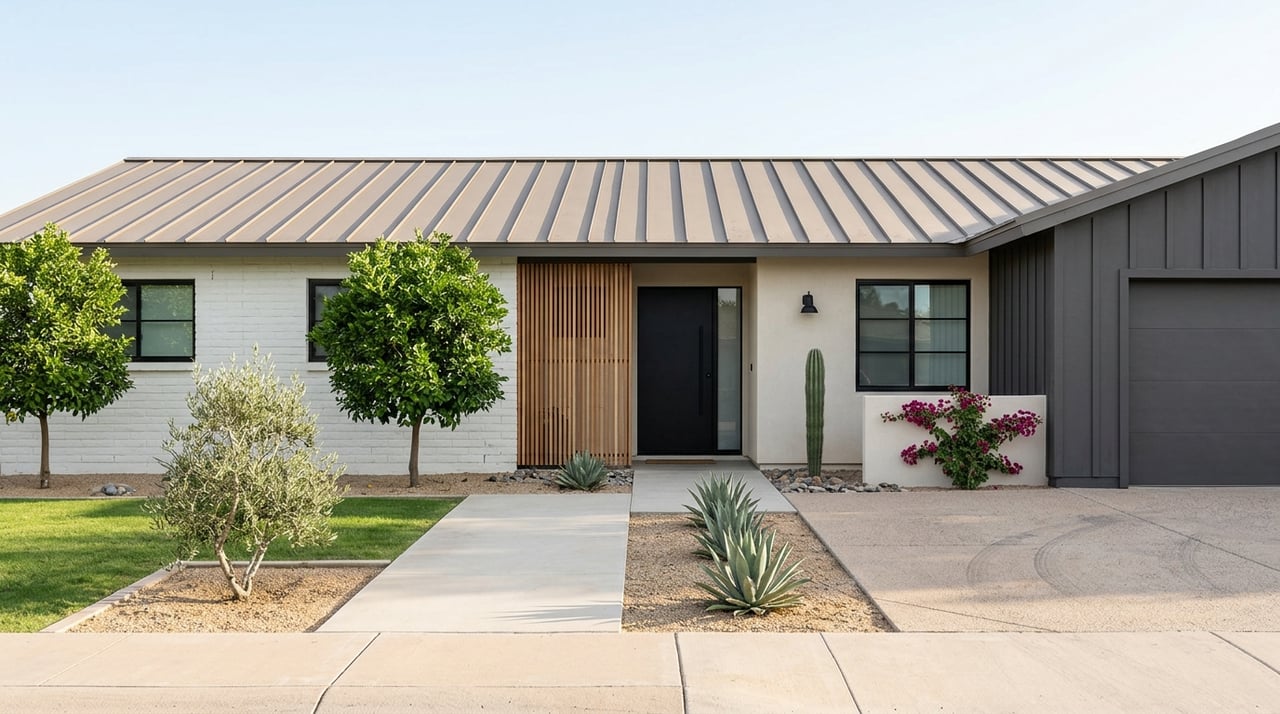
Not every ranch home in Arcadia looks frozen in time. Many have been remodeled while keeping the low-slung shape that suits the neighborhood.
In practical terms, that often means a classic exterior profile paired with more current interiors. Buyers often see open living areas, vaulted wood-beam ceilings, larger kitchens, quartz counters, and stronger connections to the backyard.
Preserve And Update
One renovation path in Arcadia is to preserve the core house and update how it lives. That can include opening the kitchen, expanding the primary suite, adding more glass, or improving the patio and pool area.
This approach tends to appeal to people who want the character of an older home with a more modern daily layout. It keeps the neighborhood’s architectural rhythm while improving function.
Contemporary Arcadia Homes
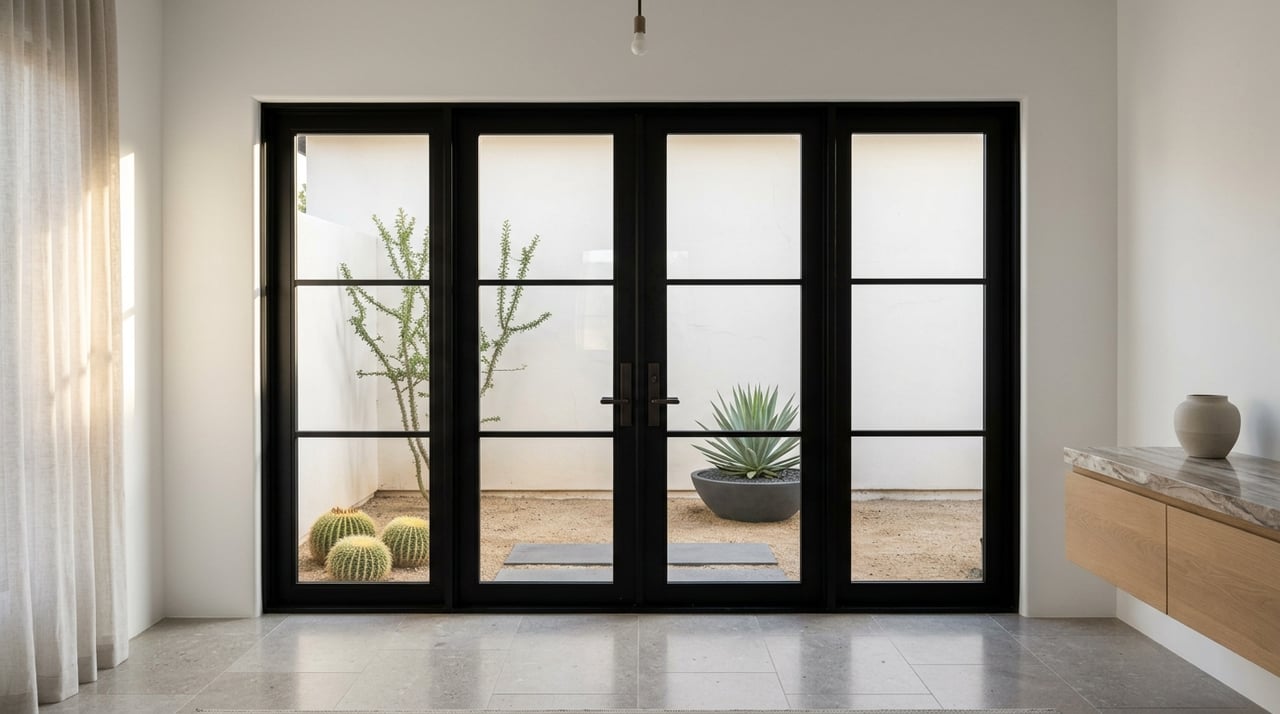
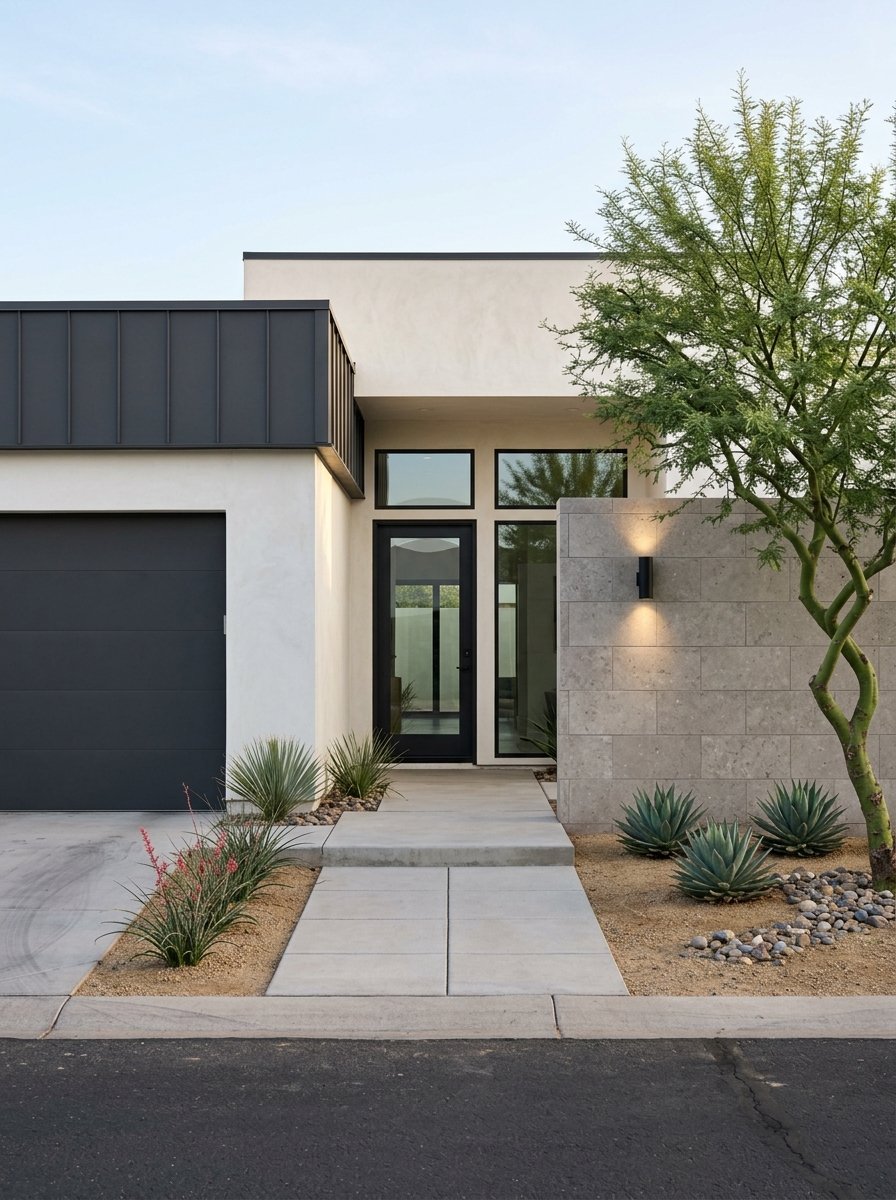
Arcadia also has a growing layer of contemporary new builds and substantial rebuilds. These homes usually move away from the ranch home’s long, simple silhouette and toward cleaner lines and larger openings.
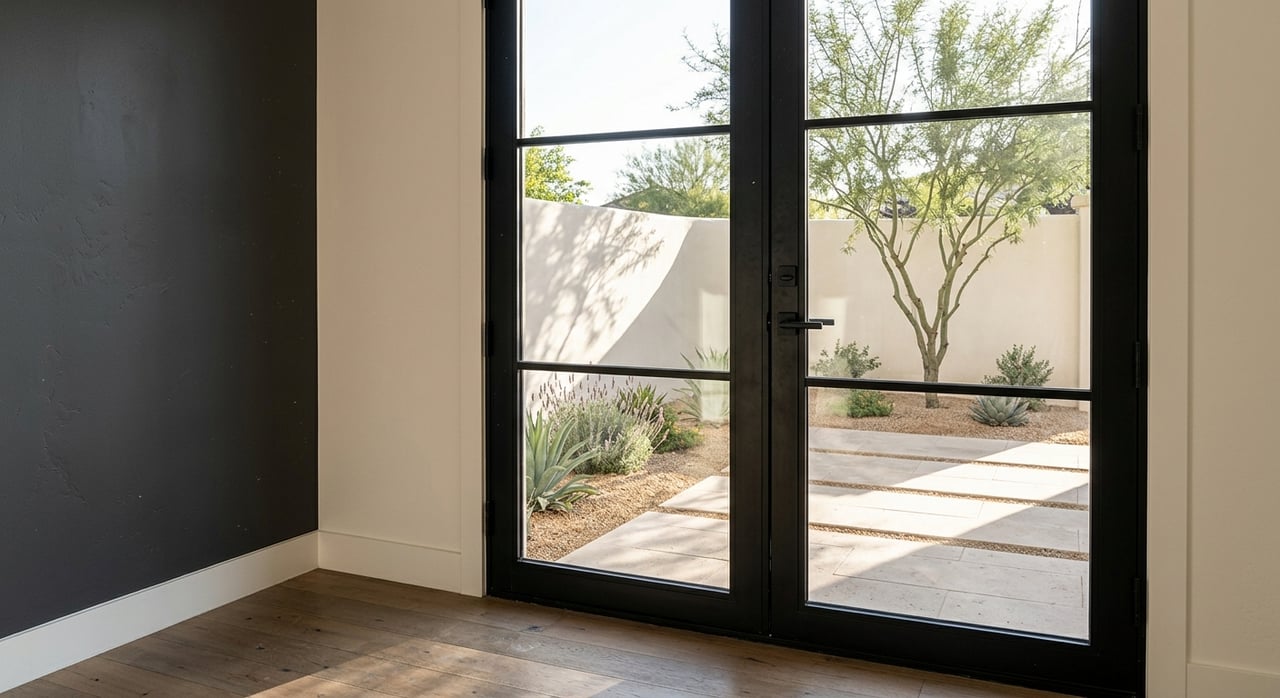
Contemporary residential design often emphasizes low-pitched roofs, exposed roof beams, natural materials, asymmetry, recessed entries, and a strong relationship between indoor and outdoor space. In Arcadia, that usually shows up as open floor plans, large window walls, and seamless access to patios and pools.
What Makes A Newer Home Feel Right
In a neighborhood with strong roots, newer homes tend to fit best when they respect the larger setting. Arcadia’s strongest new builds often use restrained massing, outdoor-focused design, and materials that echo the area’s ranch and estate history.
That does not mean every newer home looks traditional. It means the house often feels connected to Arcadia’s lot pattern, landscaping, and indoor-outdoor lifestyle.
Farmhouse-Inspired Design In Arcadia
Another style you may notice in Arcadia is farmhouse-inspired design. In this neighborhood, that is usually a design language rather than a literal farm setting.
You may see simple forms, neutral colors, exposed wood beams, reclaimed wood, shiplap, barn-style details, and natural textures. In many Arcadia homes, these elements are blended with more modern planning and larger-scale indoor-outdoor spaces.
Farmhouse Versus Contemporary
Farmhouse-inspired homes and contemporary homes can overlap, but they usually create different impressions. Contemporary homes often lean cleaner and more minimal, while farmhouse-inspired homes bring in softer texture and more rustic detailing.
In Arcadia, both styles often share a few core goals: open interiors, strong natural light, and easy movement to the backyard.
Lot Character Shapes The Neighborhood
In Arcadia, the lot matters almost as much as the house itself. Since the area began as irrigated citrus land, the outdoors has always been central to how homes are experienced.
Historic and planning sources highlight generous setbacks, mature landscaping, and a low-density setting. That context helps explain why Arcadia is so closely associated with courtyards, patios, pool yards, guest houses, and a strong sense of privacy from the street.
The Outdoor Lifestyle Connection
When you tour homes in Arcadia, you are often evaluating more than square footage. You are also looking at how the home uses the site, whether that means shaded patios, broad lawns, mature trees, or a layout that opens naturally to the pool.
That lot-driven lifestyle connects very different architectural styles. A Spanish-influenced estate, a mid-century ranch, and a newer contemporary home can all feel distinctly Arcadia when they make the most of the land.
Historic Review And Renovation Considerations
If you are considering a major renovation or teardown, it is smart to understand whether a property has historic designation. Some older Arcadia homes are subject to a special City of Phoenix Historic Preservation review process for exterior alterations and demolition.
Properties listed on the Phoenix Historic Property Register are protected from demolition and adverse alterations through that process. Not every older home has that status, so the rules can vary from one property to another.
What This Means For Buyers And Sellers
For buyers, Arcadia offers variety without losing a clear neighborhood identity. You can find estate-era homes with architectural charm, classic ranch properties with renovation potential, and newer homes designed around today’s lifestyle preferences.
For sellers, style is only part of the story. In Arcadia, buyers also respond to lot character, mature landscaping, and how well a home connects indoor and outdoor living.
If you are trying to compare homes here, it helps to think beyond labels. A home’s value and appeal often come from how well it fits Arcadia’s long-standing pattern of spacious lots, preserved residential character, and outdoor-centered design.
Whether you are drawn to a classic ranch or a polished contemporary rebuild, local context makes a difference. If you want guidance tailored to Arcadia’s unique housing mix, schedule a white-glove consultation with The Avenue Collective.
FAQs
What home styles are most common in Arcadia, Phoenix?
- Arcadia is known for a mix of estate-era homes with Spanish Colonial, Monterey, and Pueblo influences, mid-century ranch homes, and newer contemporary or farmhouse-inspired rebuilds.
Why are so many Arcadia homes one story?
- Many Arcadia homes are one story because the neighborhood’s wider lots and postwar development pattern made ranch architecture a natural fit.
What makes older Arcadia homes feel different from newer ones?
- Older Arcadia homes often reflect the area’s rural estate origins with larger setbacks, mature landscaping, and traditional architectural details, while newer homes usually emphasize open plans, more glass, and stronger indoor-outdoor flow.
Are historic homes in Arcadia protected?
- Some are. Designated historic properties and properties on the Phoenix Historic Property Register go through a City of Phoenix preservation review process for exterior alterations and demolition.
What should buyers look for beyond architecture in Arcadia?
- Buyers should also pay attention to lot size, setbacks, mature landscaping, privacy, and how the home connects to outdoor living areas, since those features are central to Arcadia’s identity.