Triple-digit days are a fact of life in Tempe. If you are buying or selling here, energy-smart details can set a home apart and cut monthly bills. You want comfort that lasts through summer, lower water use, and upgrades that actually pay off. This guide shows you which features Tempe buyers notice, how to prioritize improvements for ROI, and where to research rebates that can help. Let’s dive in.
Why efficiency matters in Tempe
Tempe sits in a hot desert climate where cooling drives most home energy use. Long, sunny summers push air conditioners hard, and that makes heat-reducing upgrades more valuable. Measures that limit solar heat gain, improve attic performance, and reduce AC runtime deliver outsized comfort and cost benefits.
Water also matters. Central Arizona is water limited, and many buyers prefer low-maintenance, water-wise yards. Landscapes that reduce irrigation and summer upkeep stand out in photos and during showings.
For context on how these upgrades work and why they save, explore the U.S. Department of Energy’s guidance on home energy improvements at the U.S. Department of Energy.
High-impact upgrades buyers notice
Attic insulation and air sealing
Heat builds in the attic and radiates into living spaces. Adding insulation and sealing gaps around lights, chases, and penetrations reduces that heat transfer and the AC cycles that follow. In Tempe, attic improvements are often the best value per dollar.
If ducts run through an unconditioned attic, seal and insulate them. Lost cool air is common in older homes and can quietly raise bills. A blower-door test and a duct leakage test quantify improvements and give you documentation buyers trust.
Keep records that show insulation R-value, what was sealed, and any test results. Photos of work before and after help buyers visualize the upgrade.
Efficient cooling and distribution
Cooling is the workhorse here, so age, maintenance, and efficiency matter. Many buyers look for central AC rated above code minimums. As a simple marker, equipment labeled 16 SEER or higher often signals value in hot climates. Variable-speed compressors and properly sized systems improve comfort and noise levels.
Smart thermostats are a small upgrade with visible benefits. Used correctly, ENERGY STAR sources estimate they can trim heating and cooling energy about 8-15 percent. For product guidance and best practices, see ENERGY STAR.
When listing or touring a home, note the installation date, model, SEER rating, and whether the warranty can transfer. Confirm ducts are insulated if they run through the attic.
Windows and solar heat control
Modern low-e windows reduce radiant heat and improve comfort near glass. In a cooling-dominated climate, a lower Solar Heat Gain Coefficient (SHGC) on west and south exposures is especially helpful. If you are not replacing every window, target large west-facing panes first and pair them with exterior shade.
Buyers notice window specs in marketing materials. Include U-factor and SHGC from the manufacturer label. For climate-focused window guidance, review ENERGY STAR recommendations.
Exterior shading and cool roofs
Shade stops heat before it hits your glass. Awnings, pergolas, operable exterior shades, and deep eaves are effective, particularly on west-facing walls during late afternoon. Mature trees can help if planned with water-wise practices and proper placement.
If your roof is nearing replacement, ask about reflective materials or cool roof coatings. Lower roof temperatures can reduce attic heat and AC load. For general building science on heat gain and roofs, start with the U.S. Department of Energy.
Water-wise landscaping and irrigation
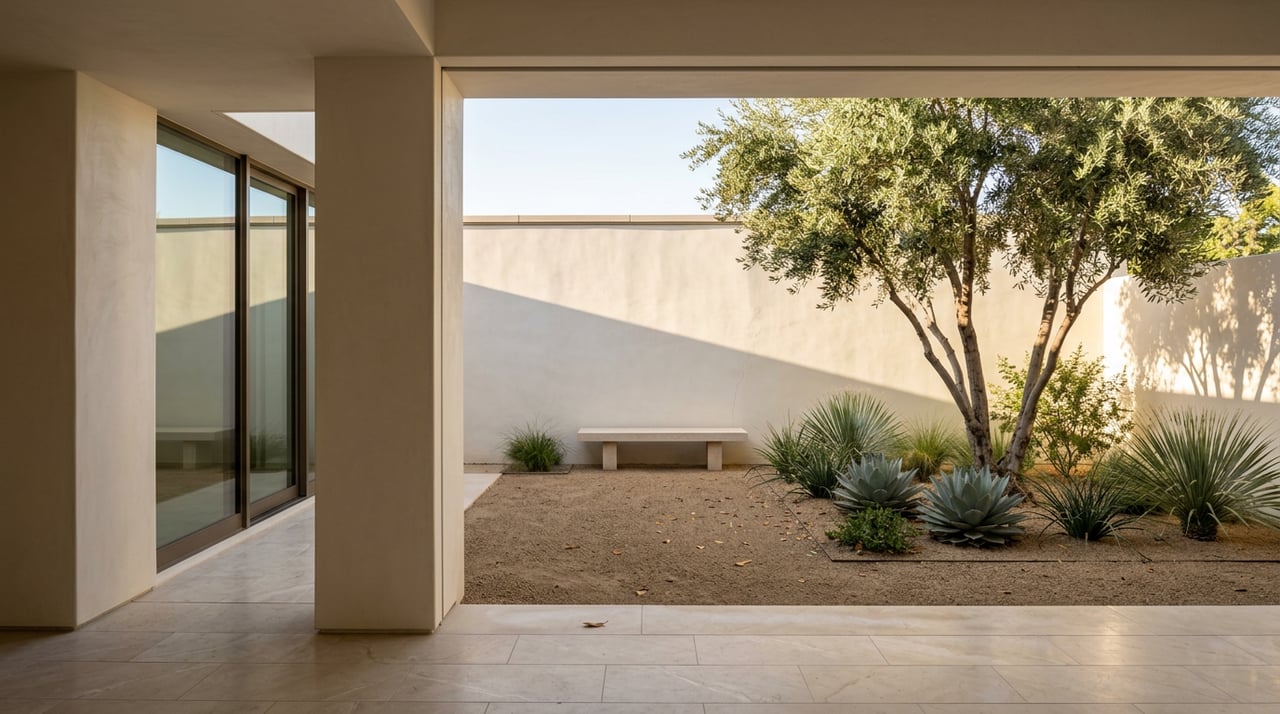
Tempe buyers are paying attention to outdoor water use and summer maintenance. Xeriscape designs with native or drought-tolerant plants, turf reduction, and drip irrigation systems are practical and attractive.
Smart irrigation controllers adjust watering with weather conditions and can save significant outdoor water. For best practices and WaterSense-labeled products and pros, explore EPA WaterSense. Local guidance and potential turf-removal resources are available from the City of Tempe and the regional Arizona Municipal Water Users Association.
Solar PV basics
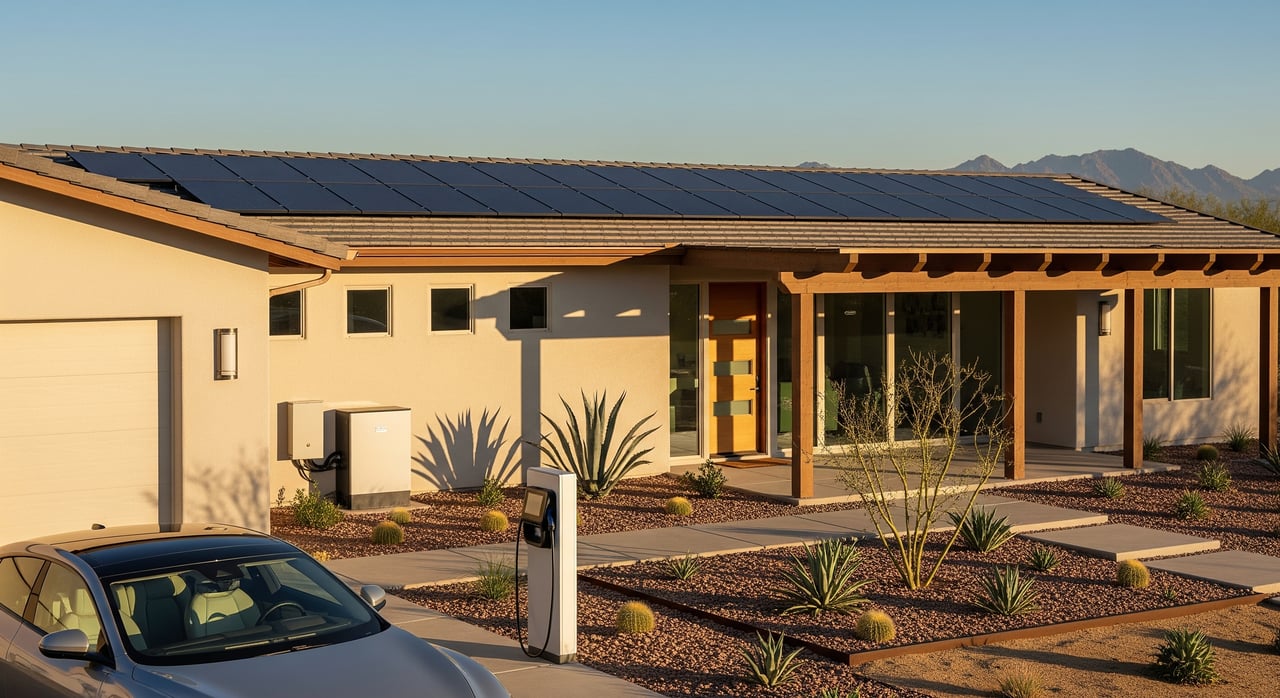
In sunny Arizona, rooftop solar is common and visible. Buyers want to know system age, size, ownership structure, and production history. Utility compensation rules have changed over time and vary by provider, so it is important to verify details for each home.
Owned systems are often more straightforward in a sale than leased systems, but clear documentation helps in either case. Keep interconnection paperwork, warranty information, and production records available.
Prioritize for ROI in Tempe
Tackle upgrades in an order that reduces cooling demand first. This approach boosts comfort now and improves payback on later investments.
- Air sealing and attic insulation. High impact per dollar and immediate comfort gains.
- Duct sealing and insulation. Critical if ducts run through an unconditioned attic.
- HVAC service, right-sizing, or replacement. Consider higher SEER if current equipment is old or underperforming.
- Smart thermostat installation and setup. Low cost with visible, convenient control.
- Targeted window upgrades and exterior shading. Focus on west-facing glass first.
- Cool roof or reflective coatings. Ask about this when the roof approaches end of life.
- Water-wise landscaping and irrigation upgrades. Lower bills and less summer upkeep.
- Solar PV. Consider when ownership, financing, and usage support your goals.
Pro tips for Tempe sellers
- Get an energy audit. A simple audit with blower-door and duct tests creates a credible baseline and a punch list.
- Document everything. Save invoices, permits, warranties, model numbers, test reports, and photos.
- Use specific language. Replace vague claims with measurable specs like R-values, SEER ratings, and SHGC.
- Share recent utility bills. Twelve months of bills and any post-upgrade data help buyers connect features to real costs.
- Confirm permit compliance. HVAC, electrical, window replacement, and major exterior work often require permits with the City of Tempe.
What Tempe buyers should check
- Attic and ducts. Look for added insulation, sealed penetrations, and insulated supply trunks in the attic.
- AC details. Note installation year, SEER rating, and service history. Listen for quiet, smooth operation.
- Smart controls. Confirm a functioning smart thermostat with app access and schedules.
- Windows and shade. Check for low-e labels, noted SHGC, and effective west-facing shade.
- Roofing. Ask about reflective materials or coatings if the roof is newer.
- Yard and irrigation. Look for low-turf design, drip irrigation, and a smart controller.
- Solar PV. Verify ownership, production history, and any remaining obligations for leased systems.
Rebates, credits, and resources to research
Program availability changes, and utility service territories vary in Tempe. Always verify incentives for the specific address and your provider.
- Salt River Project. Explore energy efficiency rebates for HVAC, insulation, smart thermostats, and cool roofs at Salt River Project.
- Arizona Public Service. Review programs for HVAC, insulation, and connected devices at Arizona Public Service.
- City water conservation. Check turf-removal and irrigation resources at the City of Tempe.
- Xeriscape guidance. The regional Arizona Municipal Water Users Association offers plant lists and planning guides.
- Federal and state incentives. Use the Database of State Incentives for Renewables & Efficiency to search current credits and rebates.
- Product and upgrade guidance. For specs and savings tools, start with ENERGY STAR and the U.S. Department of Energy.
- WaterSense tools. For irrigation products and certified pros, visit EPA WaterSense.
How to present upgrades in your listing
Buyers respond to clear, measurable details. Here are examples of concise, fact-focused lines you can use:
- Attic insulation increased to R-38 in 2024; air sealing completed at lights and chases.
- New central AC in 2023, 18 SEER, variable-speed compressor; transferable parts warranty to 2028.
- Windows replaced on west facade, double-pane low-e, SHGC 0.25; exterior shade pergola added 2022.
- Smart thermostat installed 2024 with occupancy learning and app control.
- Landscape converted to xeriscape with drip irrigation and smart controller in 2022.
Bottom line for Tempe homes
In Tempe, the winning formula is simple. Reduce heat gain, improve attic and duct performance, choose efficient cooling, manage your controls, and design a water-wise yard. Document each step with clear specs and bills. You will enjoy lower monthly costs now and create a stronger story for buyers later.
If you want help prioritizing upgrades for your property and market segment, schedule a tailored consult with our local team at The Avenue Collective. We will help you focus on the right projects, the right order, and the right documentation to maximize comfort and ROI.
FAQs
What energy upgrades matter most in Tempe’s heat?
- Start with air sealing and attic insulation, then address duct sealing, efficient AC, smart thermostats, targeted window and shade upgrades, and water-wise landscaping.
How do I know if a Tempe home’s windows are efficient?
- Check for low-e glass and look for manufacturer specs that list U-factor and SHGC, with lower SHGC preferred on west and south exposures in hot climates.
Are smart thermostats worth it in Tempe?
- Yes, when used correctly; ENERGY STAR sources estimate about 8-15 percent heating and cooling energy savings along with convenient remote control.
What should I ask about a home’s AC system?
- Ask for the installation year, SEER rating, model, maintenance records, and whether the warranty can transfer to you at closing.
Where can I find Tempe rebates for efficiency upgrades?
- Check your utility provider first, either SRP or APS for the address, then review City of Tempe water programs and search DSIRE for state and federal incentives.
What documentation helps sell an energy-upgraded home?
- Provide audit reports, invoices, permits, warranties, model numbers, before-and-after photos, and 12 months of utility bills to support your claims.